
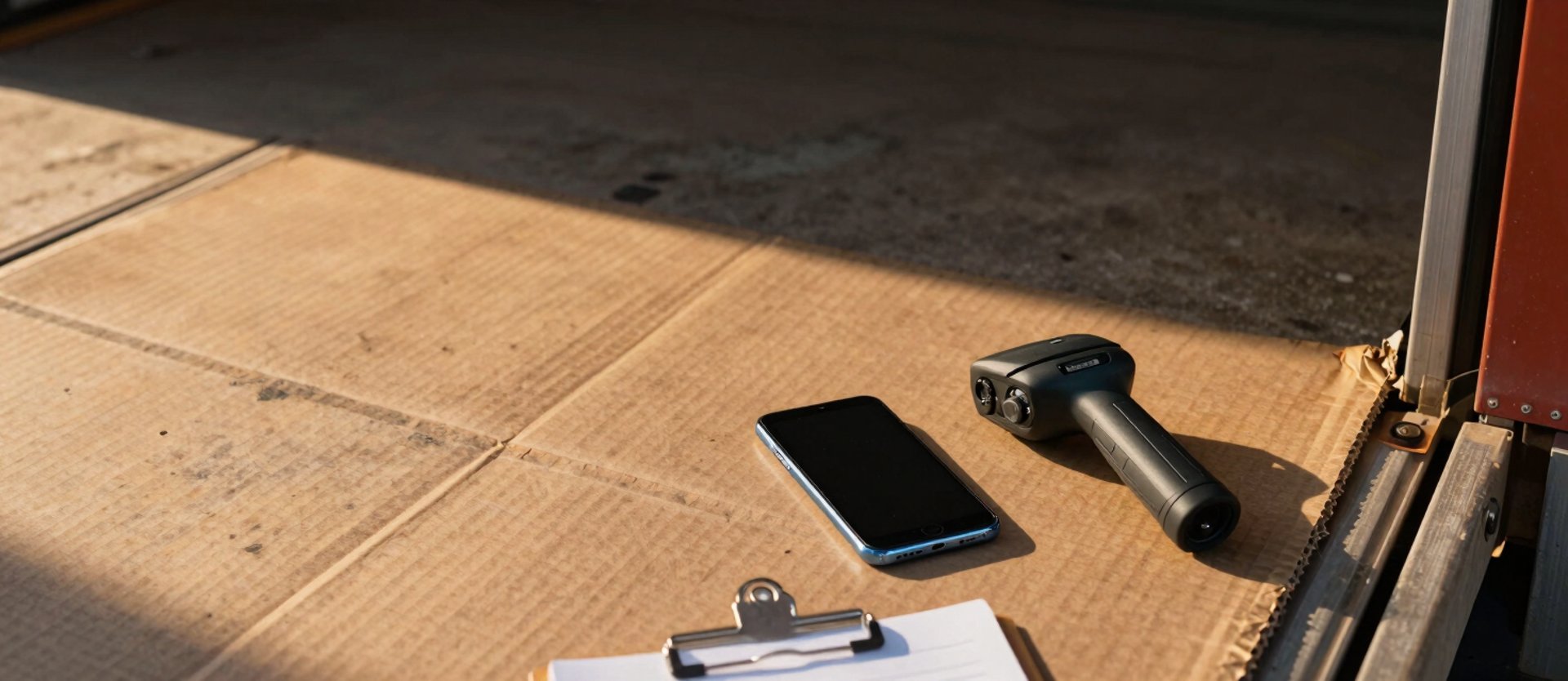
Built for the dock, not the demo room.
Sun glare, one free hand, a dispatch queue that won't wait—those are the conditions we designed to. Adoption follows when the app earns its keep under real pressure.
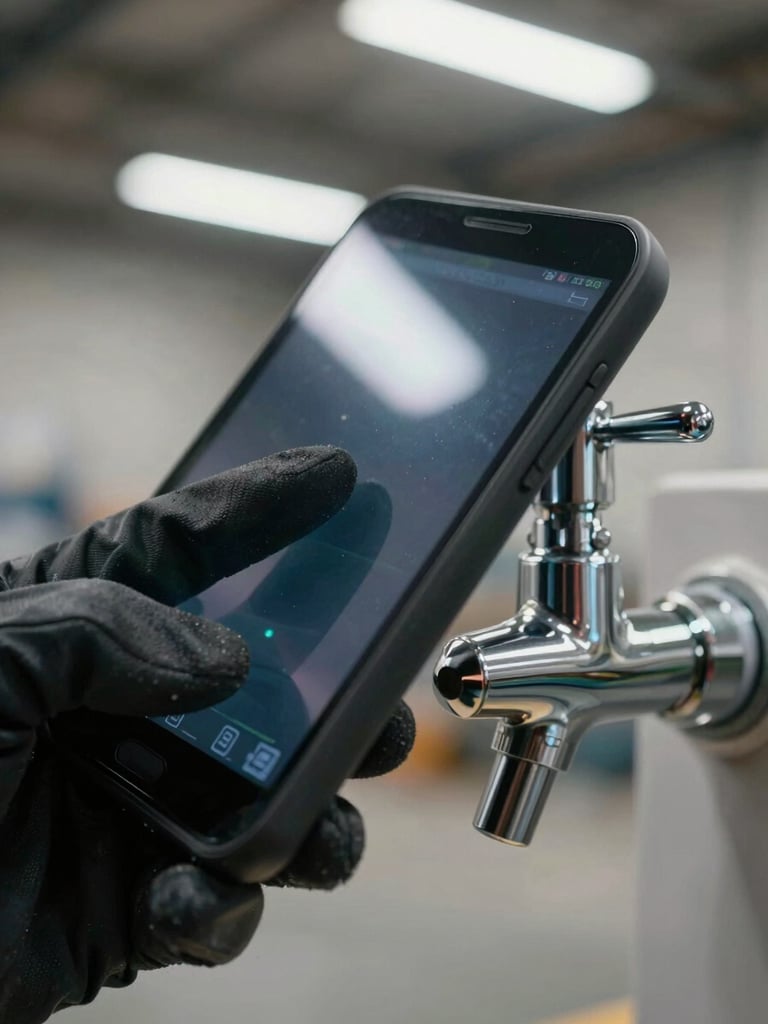
Every screen solved for one hand and no patience.
We ran a tap economy audit on the legacy dispatch tool: 11 taps to confirm a pickup. We shipped 3. That delta is where adoption lives.
Field conditions set the brief—overcast loading bays, direct sun on screens, gloves on glass. The interface had to work before we called it done.
Adoption velocity in weeks, not quarters.
6 weeks
73% fewer taps
Zero rollout surprises
Full floor-staff adoption after replacing a legacy dispatch tool—measured from first rollout build, not from contract start.
Friction audit reduced the core dispatch flow from 11 interactions to 3. Time saved per shift compounded faster than any training program.
Silent failures caught and resolved in pre-launch testing under real dock conditions—no edge cases discovered by a driver on day one.
Your drivers shouldn't fight the app to do their job.
Send us a brief or book a call. We'll tell you in 30 minutes whether your adoption problem is a design problem—and what it would take to fix it.